
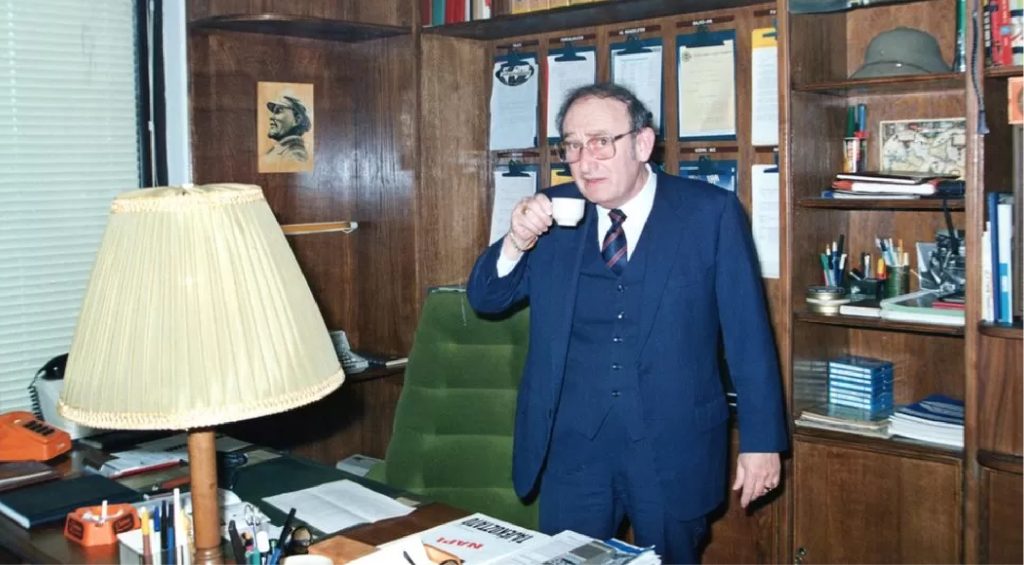
Robert Stein was a software salesman based in Hungary when he first learned about Tetris, via unofficial channels that were distributing copies of the game outside of the Soviet bloc.
Figuring that it would be a good product to market in the West, he pursued deals to sell it – and was confused by the complications of dealing with Soviet foreign-trade organizations, which created a number of contradictory deals around the game.
He believed himself to have more rights to the intellectual property than Elorg later admitted, creating another layer of complexity in the licensing web.
In addition, his work promoting the game helped it to reach a wider audience with the publishers who eventually ended up putting out the games, including Mirrorsoft, while several Western developers also got involved in the process.
The Early Licensing Confusion
The confusion around licensing led to lawsuits on both sides, eventually requiring intervention from later negotiators such as Henk Rogers in order to sort them out.
Robert Stein was one of the first people to try to promote the game outside of the Soviet bloc, and his work reflected the chaos of licensing deals at the time.
They were largely verbal, and there was not yet a widespread understanding of the differences between computer/console versions and handheld ones – nor what could be done with such products in different regions.
Though his work did not end up licensing the trademark to him, he pushed the process, forcing the Soviet authorities to recognize the value of the game and making it available to a greater audience in Europe.
Later retellings of the history of Tetris credit him as a vital, if unofficial, link between the Academy of Sciences and the commercial game industry.