
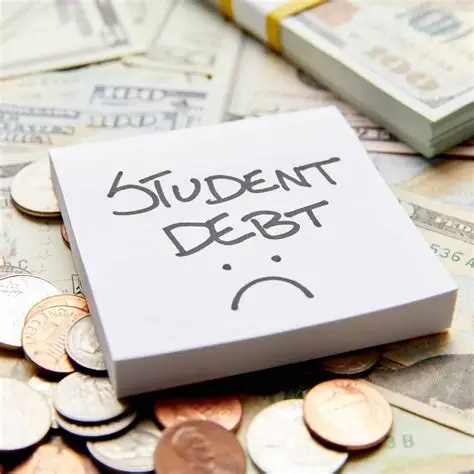
The cost of education can influence students’ decisions about attending university, choosing courses, and managing their finances after graduation. For many students, the financial burden of higher education goes beyond tuition fees and may continue long after they have completed their studies.
Student loan debt can also affect career choices, personal savings, housing decisions, and the ability to meet everyday expenses. Understanding these effects is important for students who are planning their education and considering how to finance their future.
How Student Loan Debt Influences Education Choices
The cost of higher education may influence whether students attend university, which institution they choose, and what courses they decide to study. Some students may select more affordable institutions or programmes to reduce their financial burden, while others may reconsider their plans because of concerns about future loan repayments.
Financial considerations can also affect students’ decisions about pursuing postgraduate education, professional training, or additional qualifications after graduation.
The Impact of Student Loans on Personal Finances
Loan repayment obligations may affect household budgets and decisions about housing, employment, and saving.
Graduates who need to repay student loans may have less money available for rent, transportation, food, family responsibilities, and other essential expenses. Depending on their income and repayment terms, they may also find it more difficult to build an emergency fund or save towards long-term financial goals.
These challenges can vary depending on the amount borrowed, interest rates, repayment arrangements, and the graduate’s employment situation.
Student Debt and Career Decisions
Student loan debt may influence the type of employment graduates pursue after leaving university. Some may prioritise jobs that offer higher salaries or more stable income to meet their repayment obligations.
Others may delay starting a business, pursuing further education, or accepting lower-paying opportunities that align with their personal interests or long-term career goals.
However, the effect of student debt differs from one graduate to another. Income levels, family support, loan conditions, and available employment opportunities can all influence how repayment obligations affect career choices.
Education as a Public Policy Issue
Debates about student debt often involve questions about the affordability of higher education, government support, access to educational opportunities, and the responsibilities of borrowers and institutions.
Policymakers, educational institutions, students, and families may have different views on how the cost of university education should be shared. Discussions may also focus on scholarships, grants, affordable tuition, student loan programmes, and repayment arrangements that reflect graduates’ financial circumstances.
When examining student loan policies in a specific country, it is important to consider verified government guidelines, official education statistics, eligibility requirements, and current repayment rules.
Student loan debt can influence education choices, career opportunities, and financial decisions long after graduation. Although borrowing may help students access higher education, understanding the potential repayment burden is an important part of planning for the future.
Students and families can make more informed decisions by comparing education costs, exploring available financial assistance, and understanding loan terms before borrowing. Access to clear financial information and affordable education options can help students pursue their academic goals while preparing for life after graduation.