
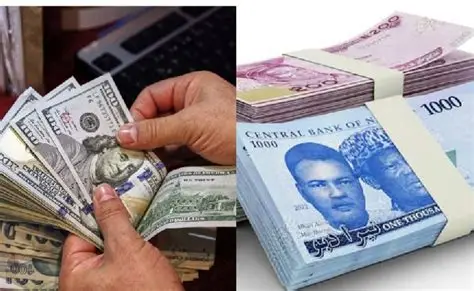
The naira exchanged at ₦1,329.34 to the US dollar on the official Nigerian Foreign Exchange Market and ₦1,385 on the black market on Friday, October 9, 2026.
The figures, published in daily exchange-rate information on the same date, highlight the continuing difference between the official and unofficial foreign exchange markets in Nigeria.
The gap matters to individuals and businesses that need foreign currency for payments, travel, imports and other expenses. It also raises questions about foreign exchange supply and demand as the government introduces measures intended to ease economic pressure on Nigerians.
Official and Black Market Exchange Rates Differ by Almost ₦56
According to the supplied figures, the official exchange rate stood at ₦1,329.34 per dollar, while the black-market rate reached ₦1,385.
The difference between the two rates was ₦55.66 per dollar, or approximately ₦56.
This disparity illustrates the continuing gap between Nigeria’s official foreign exchange market and the parallel market, commonly known as the black market.
For individuals and businesses purchasing foreign currency, the difference can affect the amount of naira needed to meet dollar-denominated expenses.
The rates cited here relate specifically to Friday, October 9, 2026, and should not be treated as live exchange rates for other dates.
Why the Naira Exchange-Rate Gap Matters
The difference between the official and black-market rates highlights concerns about the balance between foreign currency demand and supply in Nigeria.
According to the supplied information, demand for foreign currency continues to outweigh available supply, affecting people and organisations that need dollars for everyday expenses and business activities.
Individuals may require foreign currency for travel, bills and other payments. Businesses may also need dollars to meet financial obligations or cover expenses connected with their operations.
When official channels cannot provide sufficient foreign currency, some buyers may turn to the parallel market, where the exchange rate can differ significantly.
These conditions can create uncertainty for people who need to plan payments and manage their budgets.
Nigeria’s Foreign Exchange Market After the 2023 Unification
The Central Bank of Nigeria eliminated multiple exchange rates and unified the naira exchange rates in 2023 in an effort to reduce the premium on the parallel market.
The persistence of a difference between the official and black-market rates highlights the challenges involved in maintaining a narrower gap between the two markets.
The supplied figures show that, despite the earlier policy changes, the two rates remained different on October 9, 2026.
The continuing disparity remains an important issue for Nigerians who depend on foreign currency and businesses that must manage expenses in a changing economic environment.
Nigeria’s External Debt and Inflation Outlook
The supplied information puts Nigeria’s external debt at $54.52 billion as of June 2026.
It also states that inflation for the same period was forecast to reach 15.5 per cent, with the rate expected to be announced on October 15, 2026.
These figures provide additional context for the economic challenges facing the country. However, the inflation figure cited is a forecast in the supplied material, not a confirmed October 15 result.
The combination of exchange-rate differences, debt concerns and inflation expectations makes economic developments important to households, businesses and policymakers.
Could the Petrol Price Intervention Affect the Naira?
The Federal Government recently announced a one-month petrol price intervention at NNPC-regulated stations, alongside other proposed measures intended to ease the cost of living.
Whether these measures will affect the naira’s demand-and-supply dynamics remains uncertain.
A key question is how the proposed interventions will influence household spending, business costs and demand for foreign currency.
The supplied information notes that many Nigerians buy their petrol from private investors, making it important to consider how widely the NNPC-regulated price intervention will affect consumers.
No confirmed effect on the exchange rate has been established in the information provided.
Conclusion
The naira traded at ₦1,329.34 per dollar on the official Nigerian Foreign Exchange Market and ₦1,385 on the black market on October 9, 2026. The approximately ₦56 difference highlights the continuing disparity between the two markets. With Nigeria facing foreign exchange supply challenges, external debt concerns and inflationary pressure, the direction of the naira remains an important issue for individuals, businesses and the wider economy.
Related SEO search terms: naira to dollar exchange rate today, official naira exchange rate, black market dollar rate Nigeria, dollar to naira October 9 2026, Nigerian foreign exchange market, CBN exchange rate policy, Nigeria external debt 2026, Nigeria inflation forecast, naira exchange-rate gap, latest naira news.