
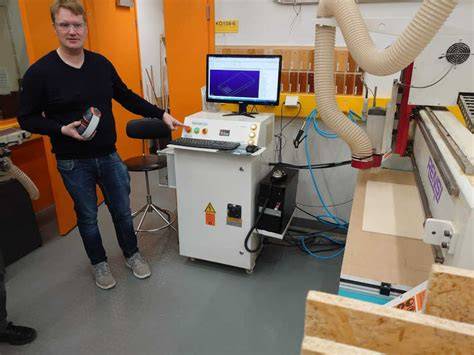
Online discussions about computer-aided manufacturing (CAM) have raised questions about the safe and responsible use of digital fabrication technology, particularly when projects involve potentially dangerous devices.
Computer-aided manufacturing uses specialised software to plan, manage and control manufacturing processes. The technology has numerous legitimate applications, including automotive production, product development, industrial engineering and educational projects.
However, discussions about developing projectile-firing devices without rifled barrels highlight the importance of understanding the potential risks associated with certain DIY fabrication projects.
Responsible manufacturing requires more than technical knowledge. Users must also consider equipment safety, applicable laws, material limitations and the potential consequences of their designs.
Digital fabrication tools can support innovation, creativity and practical learning when used appropriately. Educational projects involving computer-aided design (CAD), computer numerical control (CNC) machining and 3D printing can help learners develop valuable engineering and problem-solving skills without creating dangerous devices.
Experts and educators continue to emphasise the importance of responsible technology use, proper supervision and adherence to established safety standards. Online communities discussing manufacturing techniques should also distinguish legitimate educational content from projects that could create unnecessary risks.
As digital fabrication becomes increasingly accessible, promoting computer-aided manufacturing safety is essential for hobbyists, students, engineers and manufacturers alike.
Ultimately, the goal should be to encourage innovation while ensuring that manufacturing knowledge and technology are applied safely, legally and responsibly.