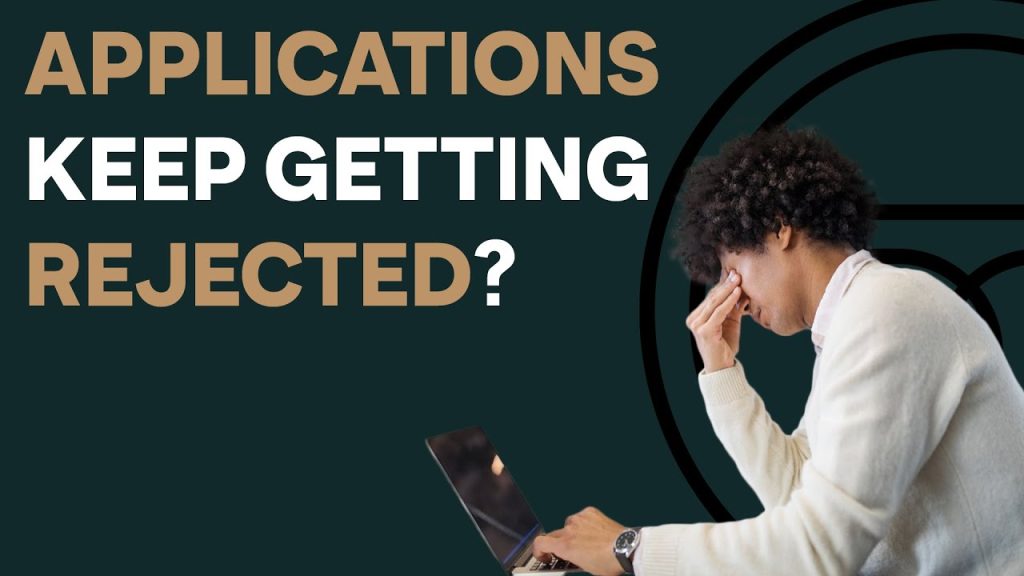
Sending out applications with hopes of landing an interview can be exciting, but receiving rejection emails before you even get to speak with a recruiter can quickly become discouraging.
In many cases, an early rejection does not necessarily mean you are unqualified. It could be that your CV, application approach or experience does not clearly match what the employer is looking for.
Here are some common reasons your application may not be making it past the initial screening stage.
Your CV Does Not Match the Job Requirements
Employers usually have specific qualifications, skills and experience they want from candidates. If your CV does not clearly demonstrate that you meet those requirements, recruiters may move on to other applicants.
Even if you have the right experience, burying relevant information beneath unrelated details can make it difficult for a recruiter to immediately see that you are suitable for the position.
What to do: Read the job description carefully before applying. Adjust your CV to highlight the qualifications, skills and experience that directly match the position.
Your CV Looks Generic or Unprofessional
Your CV is often the first impression a potential employer gets of you. Poor formatting, unnecessary information, missing contact details or a generic CV used for every application can hurt your chances.
A recruiter should be able to scan your CV and quickly understand your experience, strengths and suitability for the role.
What to do: Keep your CV clean, organised and easy to read. Focus on relevant experience and achievements, and customise the document for each position instead of sending exactly the same version everywhere.
The Job Location May Be Working Against You
Applying for a position in another city or location can sometimes raise questions for an employer, particularly when your CV shows that you currently live far away.
A recruiter may wonder whether you are actually prepared to relocate or whether travelling to the workplace would be practical.
What to do: If you are willing to relocate, make that clear in your application. Where appropriate, you can also indicate your interest in remote work or explain your connection to the location.
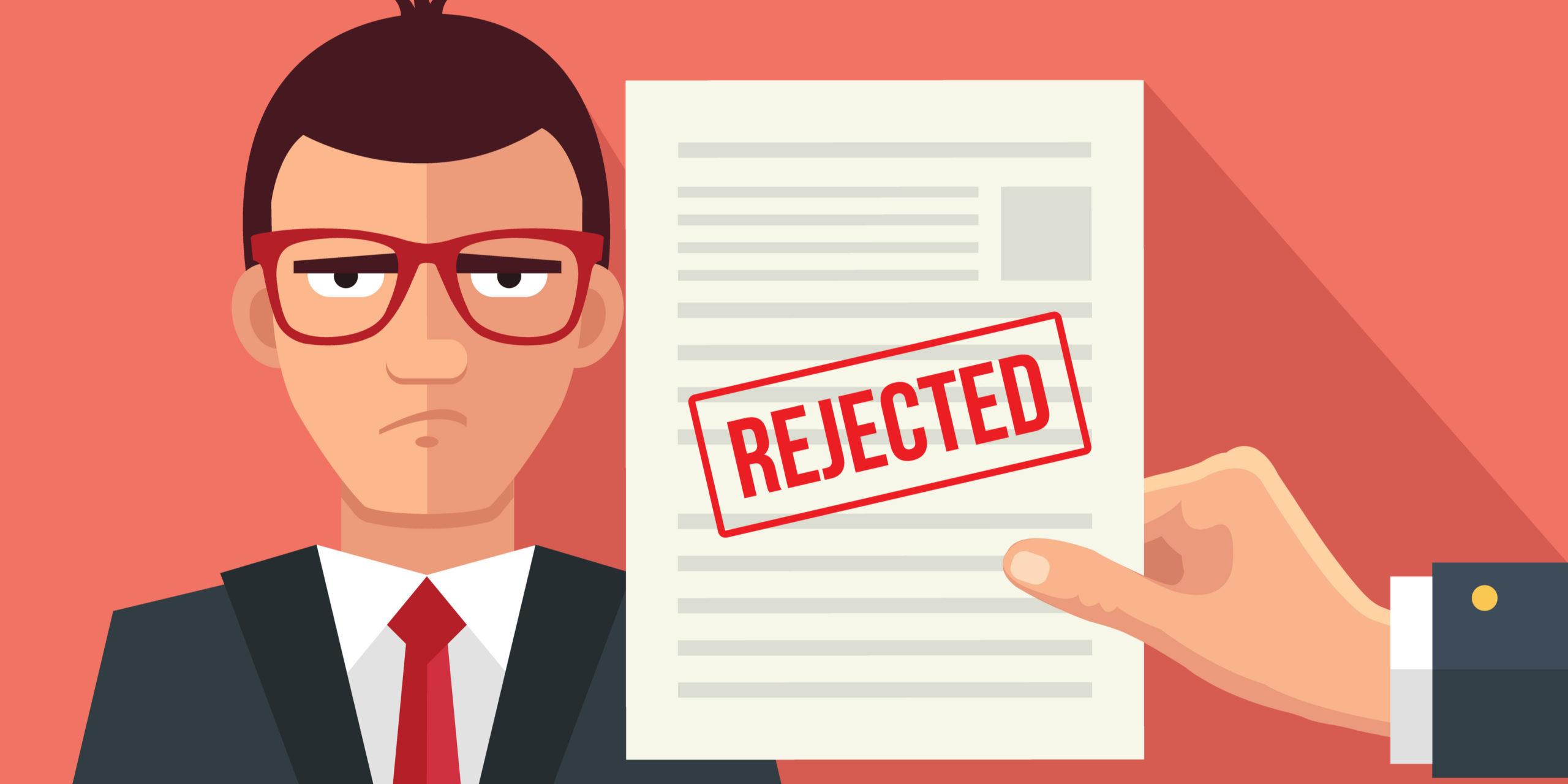
You Did Not Follow the Application Instructions
Sometimes the problem is not your qualifications but the way you submitted the application.
If an employer specifically asks applicants to use a particular subject line, attach certain documents or provide information in a specific format, ignoring those instructions can make your application look careless.
Even something as simple as sending an email without a proper subject line or message can create a poor first impression.
What to do: Go through the application instructions carefully before submitting. Follow every requirement and include a short, professional message explaining the position you are applying for and your interest in the opportunity.
Your Skills Do Not Clearly Fit the Position
Applying for a role that has little connection to your qualifications or previous experience can result in an immediate rejection.
For example, someone with a background in medicine applying for an accounting position may struggle to convince an employer that they can perform the required duties unless they can demonstrate relevant transferable skills.
What to do: Make the connection between your previous experience and the new role clear. If you are changing careers, focus on transferable skills and provide specific examples of how your background can benefit the employer.
Your CV Does Not Show What You Have Achieved
Listing job titles and responsibilities alone may not be enough to convince a recruiter that you are the right candidate.
Employers also want to understand what you actually accomplished in your previous roles. A CV that simply says you were responsible for sales, customer service or project management gives little indication of the impact you made.
What to do: Highlight important achievements alongside your responsibilities. Where possible, use figures to demonstrate results, such as increasing sales by 20 per cent within six months, managing a specific number of clients or completing projects within a particular timeframe.
A Better CV Can Improve Your Chances
Getting rejected at the first stage can be frustrating, especially after spending time applying for several positions. However, repeated early rejection can also be a sign that your application needs some adjustment.
Your CV is often the first connection between you and a potential employer, so it needs to present your most relevant skills and experience clearly. Before sending out another application, take time to review your CV, compare it with the job description and make sure the employer can quickly see why you are a suitable candidate.
A professional review of your CV can also help identify mistakes or weaknesses you may have overlooked and give you a stronger chance of moving beyond the initial screening stage.