
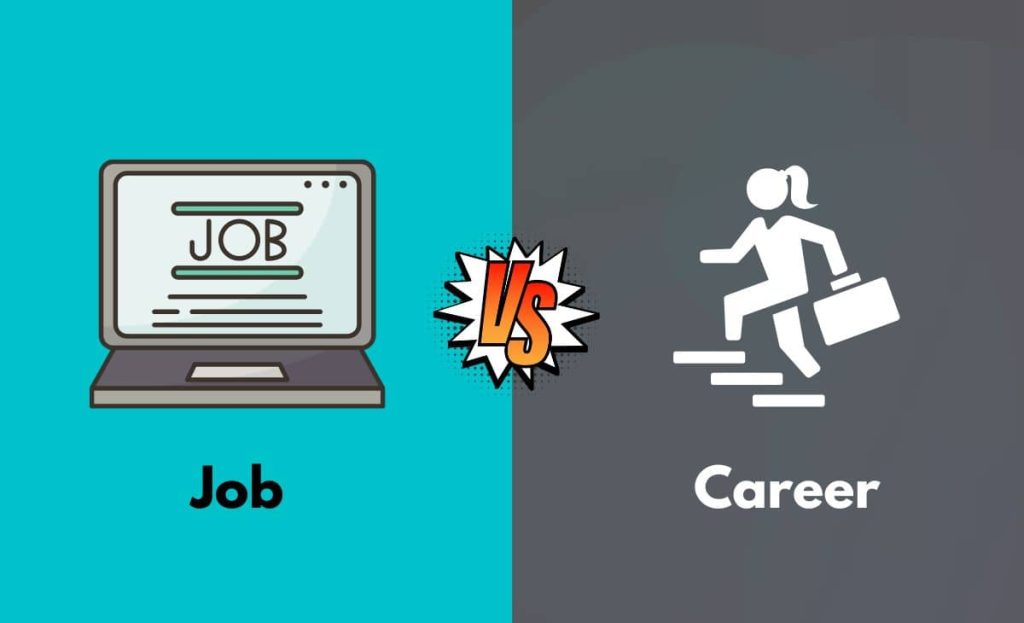
The words job and career are often used as if they mean the same thing. Both involve working and earning an income, but they represent very different approaches to professional life.
A job may provide the income you need today, while a career is usually built around long-term growth, skills, experience and professional goals. Understanding the difference between a job and a career can help you make better decisions about your work and where you want to be in the future.
What Is a Job?
A job is a role or type of work performed mainly in exchange for income. It can be full-time, part-time, temporary or casual, depending on the employer and circumstances.
For many people, the immediate priority of a job is earning money to meet everyday needs. A job can also provide useful experience and help someone discover the type of work they enjoy.
Common examples of jobs include:
- Cashier
- Waiter
- Delivery driver
- Receptionist
- Store clerk
Having a job does not necessarily mean a person has no long-term ambitions. In many cases, a job can be the first step toward a much bigger professional path.
What Is a Career?
A career is a long-term professional journey built around a particular field, area of expertise or set of goals.
Unlike a job, a career often develops over several years as a person gains experience, improves their skills, receives additional training and takes on greater responsibilities.
Examples of career paths include:
- Medicine
- Engineering
- Law
- Teaching
- Marketing
- Information technology
Someone may begin in an entry-level position and gradually move into senior, specialist or leadership roles. The different jobs held along the way can all become part of the same career.
Career vs Job: The Major Differences
Although a job and a career are connected, their purpose and direction can be quite different.
| Aspect | Job | Career |
|---|---|---|
| Main purpose | Earning income | Building long-term professional growth |
| Focus | Immediate work and pay | Skills, experience, progress and fulfilment |
| Duration | Can be temporary or short-term | Usually develops over many years |
| Training | Often focused on the requirements of the role | May involve continuous learning and professional development |
| Progression | May have limited advancement | Often includes promotions and greater responsibilities |
| Direction | May not be connected to long-term goals | Usually follows a broader professional goal |
| Example | Working as a cashier | Building a career in retail management |
The biggest distinction is direction. A job can simply be something you do, while a career is something you deliberately build over time.
Is a Job or Career Better?
There is no single answer because jobs and careers can serve different purposes at different stages of life.
A job can be the right choice when someone needs immediate income, is looking for temporary work or is still deciding what professional path to follow.
A career becomes more important when someone has identified a field they want to develop in and is willing to invest time in gaining experience, qualifications and expertise.
The two are also not mutually exclusive. A person can have a job while simultaneously building a career.
For example, someone working as a sales associate may initially take the position simply to earn money. Over time, they may develop sales skills, take on more responsibility and move into sales management or business development. The original job can therefore become part of a much broader career.
Why Building a Career Can Bring Greater Fulfilment
A career can offer benefits that go beyond receiving a monthly salary.
1. More Opportunities for Growth
Long-term career development can open the door to promotions, professional qualifications, leadership positions and more specialised roles.
Instead of remaining in the same position, a person can continue developing their abilities and taking on new challenges.
2. A Stronger Sense of Purpose
A career that matches a person’s interests, strengths and goals can make work feel more meaningful.
When people understand how their current role connects to what they want to achieve in the future, they may feel more motivated to keep improving.
3. Professional Recognition
Career development can lead to achievements such as promotions, professional recognition and increased responsibility.
These milestones can help demonstrate how far someone has progressed within their chosen field.
4. Long-Term Development
Building a career encourages continuous learning. New skills, qualifications and experience can increase a person’s opportunities as their professional journey develops.
This can also create opportunities for better-paying and more senior positions over time.
Can a Job Become a Career?
Yes. A job can become the starting point of a career when a person decides to use the experience as a foundation for long-term growth.
Consider someone working part-time as a tutor. At first, the work may simply provide income. However, if the person develops teaching skills, receives relevant training and gains more experience, the role could eventually lead to a career as a teacher or education consultant.
The transformation often depends on three things: mindset, learning and commitment.
Seeing a job as an opportunity to gain useful experience can make it easier to identify skills that can be carried into future roles.
How to Know Whether You Have a Job or Are Building a Career
One useful way to look at your current work is to consider where the role is taking you.
If your main reason for staying in a position is the immediate income and you have little connection between the work and your future plans, you may simply have a job.
If the role is helping you gain experience, develop relevant skills and move closer to a professional goal, it may be part of your career.
Neither situation is necessarily bad. There are periods when earning money is the most important priority, and there are other times when investing in long-term development makes more sense.
Frequently Asked Questions About Jobs and Careers
What is the main difference between a job and a career?
A job is generally work performed for income, while a career is a longer-term professional journey involving experience, development and progression in a chosen field.
Is a career more important than having a job?
Not necessarily. A job can provide essential income and valuable experience, while a career focuses more on long-term professional development. A job can also become an important part of a career.
Can someone have a job without having a career?
Yes. Someone can work in a position primarily for income without intending to build a long-term professional path around it.
Can a job become a career?
Yes. A job can become part of a career when the worker continues developing relevant skills, gaining experience and moving toward long-term professional goals.
How do I start building a career?
Start by identifying areas that match your interests and strengths, then look for opportunities to gain relevant experience, develop useful skills and take on roles that move you closer to your long-term goals.
Making the Most of Your Work Journey
The difference between a job and a career is ultimately about more than a title or salary. A job can meet an immediate financial need, provide experience or serve as a temporary stop while you figure out your next move.
A career, meanwhile, is built gradually through the choices you make, the skills you develop and the experience you gain along the way.
For some people, the two will overlap. A job can provide the income and experience needed to eventually build a career in a field they enjoy.
The important question is not simply whether you currently have a job or a career. It is whether the work you are doing is helping you move toward the future you want.