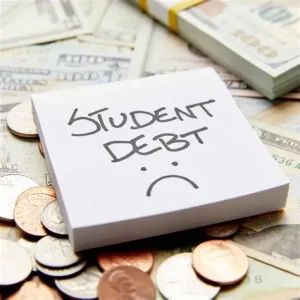
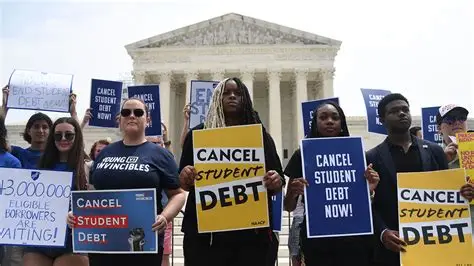
Student debt remains a major topic in American political discussions, raising questions about education affordability, government responsibility and the policies needed to support borrowers. Online criticism of the Democratic Party’s approach to student loans has added to broader debates about political priorities and the future of higher education.
As conversations continue across social media platforms, student debt has become an important issue for people examining the relationship between public policy, personal financial responsibility and access to education.
Student Debt as a Political Issue
The rising cost of higher education and the burden of repaying student loans have prompted calls for different approaches to financial assistance. These discussions often focus on loan forgiveness, repayment options, tuition costs and measures designed to make college more accessible.
Political parties and lawmakers have different views on how the government should address these challenges. Some support expanding student loan relief, arguing that borrowers need assistance managing educational expenses. Others raise concerns about the costs of forgiveness programs, the distribution of benefits and the responsibilities of borrowers.
These competing perspectives have made student debt an ongoing subject of political disagreement.
Online Criticism and Public Debate
Social media allows individuals to express frustration with political decisions and question whether elected officials are delivering meaningful solutions. Criticism directed at Democrats over student debt reflects broader disagreements about government spending, economic fairness and the role of federal assistance.
However, online reactions do not necessarily represent the views of the entire population. Individual comments should be considered opinions unless supported by reliable evidence or broader public opinion research.
Evaluating Political Claims
Understanding the student debt political debate requires examining specific policies rather than relying solely on partisan arguments. Readers should consider proposed measures, eligibility requirements, potential economic effects and the experiences of borrowers.
It is also important to distinguish between campaign promises, enacted legislation and policies that remain subject to legal or political challenges.
Ultimately, student debt highlights the difficult choices facing policymakers as they balance educational access, financial responsibility and public spending. Informed discussion depends on verified information, accurate attribution and a willingness to evaluate competing arguments fairly.