
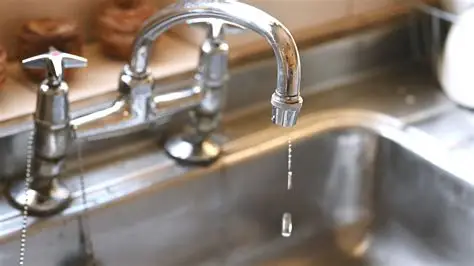
A dripping kitchen faucet wastes water and can be annoying, but the repair is often simple enough to do yourself. A leak is often caused by a worn O-ring, damaged cartridge, washer or valve component. Before you take anything apart, you need to shut off the water so a small repair doesn’t become a much larger mess. Here is how to fix it.
What You May Need
- Flat-head and Phillips screwdrivers
- Adjustable wrench
- Replacement O-rings, washers or cartridge
- Plumbing lubricant
- A towel or small bowl
Step 1: Turn Off the Water
Find the shutoff valves underneath the sink and turn them off.
Open the faucet briefly to release remaining pressure and confirm that water has stopped flowing. Do not begin removing components while the water supply is still active.
Step 2: Remove the Faucet Handle
Many faucets have a small cap covering the handle screw. Carefully remove the cap with a flat-head screwdriver, then loosen the screw.
Lift the handle off to expose the internal cartridge, valve or washer mechanism. Keep the small parts together, and take a photo as you go so it is easy to put everything back in the right order.
Step 3: Inspect the O-Ring or Washer
Look for signs of cracking, brittleness, corrosion or wear.
If the O-ring or washer is damaged, take the old part with you when buying a replacement. Even a small difference in size can cause the faucet to continue leaking.
Install the new part carefully and apply appropriate plumbing lubricant when required.
Step 4: Replace the Cartridge if Necessary
If the cartridge itself is damaged or corroded, replacing the O-ring may not solve the problem.
Take the old cartridge to a hardware store so you can find an exact replacement. Different faucet brands and models use different parts, so matching the old one is the safest approach.
Step 5: Reassemble and Test
Reassemble the faucet in reverse order, then slowly turn the water supply back on.
Run the faucet and check carefully for leaks, both at the spout and underneath the sink. Let it run for a minute or two and look again.
What If the Faucet Still Leaks?
If the problem continues after replacing the obvious worn components, the faucet may require a more extensive repair. In some cases, replacing the whole faucet is a better choice than repeated repairs. If you are not comfortable working with plumbing, a professional plumber can solve the problem quickly.
Most kitchen faucet leaks come from small worn parts, and the repair usually takes less than an hour. Shut off the water, inspect the parts, replace what is damaged and test carefully. Doing it yourself can save you money and stop the drip for good.