
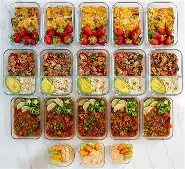
Meal prepping does not have to mean cooking an entire month’s food in one day. If you are new to it, preparing enough meals for one week is usually much easier to manage, and it can help you save money and reduce food waste. This beginner’s guide walks you through the whole process, step by step, so your first meal prep session feels simple instead of stressful.
Step 1: Plan Your Meals First
Before buying any ingredients, count how many meals you actually need during the week. Many beginners skip this step and end up with too much food, or not enough.
Think about:
- Meals you will eat outside the home, such as lunch at work or restaurant meals
- Dinners with friends or family
- Leftovers you can use for another meal
Buying food without knowing how much you need is one of the easiest ways to waste money. Write your plan down and shop from a list.
Step 2: Choose Simple Ingredients
Keep your first meal prep easy. A good starting formula is two or three proteins, two starches and several vegetables.
Chicken, ground turkey, rice, potatoes, broccoli, carrots and peppers are all good choices. These ingredients can be combined in different ways without needing a completely different recipe every day.
Step 3: Batch Cook the Main Ingredients
Cook proteins and starches first, because they generally take longer. While they are cooking, prepare your vegetables in the oven or on the stove.
This allows several parts of your meals to be prepared at the same time, rather than spending hours cooking one meal after another. For example, you can roast chicken and vegetables in the oven while rice cooks on the stove.
Step 4: Portion and Store Everything
Once the food is cooked, divide it into individual meals and place them in airtight containers. Label the containers when necessary so you know which meal should be eaten on which day.
Food Safety Basics
- Refrigerate cooked food promptly instead of leaving it out for hours.
- Follow the recommended refrigerator storage period for cooked food. Cooked meals are commonly kept for only a few days.
- Freeze any meals you won’t eat within that period.
- Reheat food until it is steaming hot all the way through.
Step 5: Keep the Food Interesting
You do not need to cook a completely different recipe every day. A simple rotation can work very well, especially when you have different sauces or seasonings available to change the flavor of the same basic ingredients.
For example, the same chicken and rice can taste different with:
- Teriyaki sauce one day
- Salsa or hot sauce the next
- Garlic and herbs later in the week
Common Beginner Mistakes to Avoid
- Making too much: Start with one week, not one month.
- Choosing complicated recipes: Save those for when you have more practice.
- Skipping containers: Buy enough good containers before you begin.
- Getting bored: Use different sauces and seasonings to change things up.
Final Thoughts
Your first meal prep does not need to be perfect. Plan your meals, keep the ingredients simple, cook in batches and store everything safely. After a week or two, you will know what works for you and can adjust from there.