
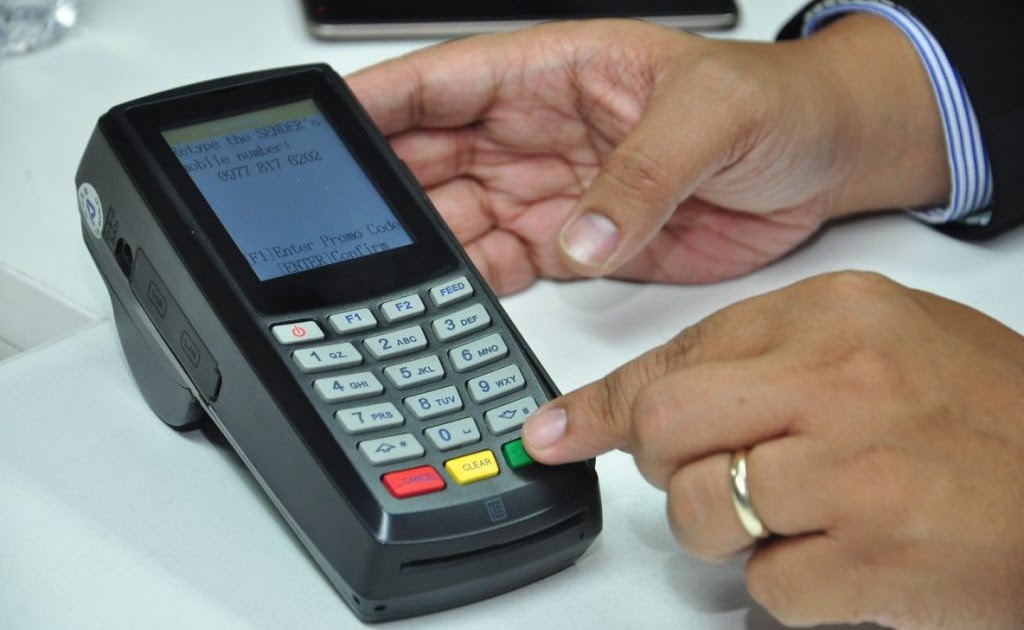
A Point-of-Sale (POS) agency business is an option for Nigerians who want to provide everyday financial services in communities where customers need convenient access to transactions.
The business can serve people who want to make supported cash withdrawals, transfers, deposits or bill payments, depending on the services offered by the provider.
Although some people assume that a POS business requires a large investment, the supplied information suggests that it may be possible to establish a small operation with less than ₦500,000. The actual amount depends on the terminal, location, working capital and other startup expenses.
Success depends on more than owning a machine. Location, reliable service, sufficient float and careful cash management all matter.
1. How Much Does It Cost to Start a POS Business?
The supplied estimates put the cost of a POS terminal at approximately ₦30,000 to ₦60,000, depending on the provider.
Some banks and fintech companies may offer subsidised terminals subject to conditions, including a minimum float commitment. Applicants should confirm current prices, eligibility requirements, transaction charges and any applicable service agreements before paying.
Other possible startup expenses include:
- A small canopy, kiosk or suitable business space.
- A phone for operating the business.
- A second phone or dual-SIM arrangement where useful.
- Initial cash and electronic transaction balances.
- Signage and basic operating materials.
The supplied outline suggests that a starting float of ₦100,000 to ₦200,000 may be appropriate for some operations and that total startup costs can remain below ₦300,000 in a suitable location.
These are planning estimates, not universal prices. Rent, equipment and the amount of float required can vary considerably.
2. Choose the Right Location
A POS business needs customers who regularly require its services.
Potential locations include:
Markets
Markets may provide a steady flow of traders, shoppers and other customers who need to complete transactions during business hours.
Hospital Entrances
Some people visiting hospitals need convenient access to financial services. Any proposed location should respect hospital rules and avoid obstructing entrances or emergency access.
School Gates
Schools and nearby commercial areas may attract customers, depending on local demand and school schedules.
Residential Areas
Communities with limited convenient access to banking services may provide opportunities for an agent who offers reliable transactions.
Before choosing a location, observe customer movement, competition, security, operating hours and the cost of occupying the space.
A busy area is not automatically profitable if many agents are competing for the same customers or operating expenses are too high.
3. How Much Can a POS Agent Earn Daily?
The supplied information estimates that a busy market agent may generate between ₦5,000 and ₦15,000 in daily income after costs, with a possible monthly range of ₦150,000 to ₦400,000 before tax.
These estimates should be treated cautiously. Actual results depend on transaction volume, provider charges, commissions, customer demand, operating days and losses or errors.
It is also important to distinguish revenue from profit. The money passing through a POS terminal is not the agent’s income. Earnings generally come from applicable transaction fees or commissions, less business expenses.
Before opening, estimate the average earnings per transaction and the number of successful transactions needed to cover daily expenses.
4. Why Working Capital Matters
A POS agent needs sufficient cash and electronic balance to serve customers.
Running out of cash during a busy period can mean turning away customers who may decide to use another agent in the future.
The supplied outline highlights morning and afternoon rush periods as times when agents may experience increased demand.
To manage this risk, keep a record of the most common transaction amounts, monitor cash and electronic balances throughout the day, and establish reliable arrangements for topping up funds when necessary.
Avoid using the entire float for personal spending. Working capital must remain available for the business to function.
5. Add More Services to Increase Business Opportunities
A POS agency can offer additional services where supported by its provider.
Examples include:
- Electricity bill payments.
- Airtime purchases.
- Mobile data sales.
- Television subscription payments.
Offering related services may help attract customers who would otherwise visit another business.
Before adding a service, check the commission structure, transaction limits, settlement process and responsibilities for resolving failed payments.
Keep clear records of each transaction and provide customers with appropriate references or receipts.
6. Common POS Business Challenges
Network Problems
Network failures can interrupt transactions and frustrate customers. Choose a provider with suitable coverage and clear support procedures.
A second device or alternative approved service may help in some circumstances, but it should not introduce unnecessary costs or security risks.
Competition
Where many agents operate nearby, customers may compare convenience, service quality and charges.
Treating customers fairly, keeping the business accessible and resolving complaints promptly can help build trust.
Insufficient Float
Low cash or electronic balances can limit the number of transactions you can complete. Regular monitoring and a realistic float plan are essential.
Poor Record-Keeping
Without accurate records, it becomes difficult to identify errors, calculate profit or investigate disputes.
Record daily sales, commissions, charges, cash movements and outstanding issues.
7. How to Grow a POS Agency Business
Once the business has a consistent transaction history, review the figures before expanding.
Reinvesting early profits in another terminal, a more suitable location or related services may increase capacity. However, expansion should be based on demonstrated demand rather than assumptions about future earnings.
The business is particularly suited to people who can dedicate consistent hours to customer service and understand basic cash management.
Final Thoughts
Starting a POS agency business in Nigeria may be possible with a modest budget, but the right startup amount depends on the provider, location and available working capital.
Before investing, compare terminal terms, estimate operating expenses, choose a location carefully and maintain enough float to serve customers.
Reliable transactions, good records and disciplined financial management can help a POS business become more sustainable over time.