
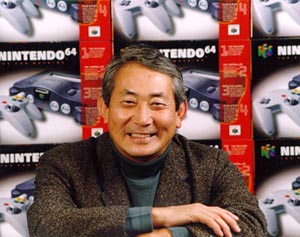
Minoru Arakawa was the president of Nintendo of America at the time of the deal, and he worked closely with the Kyoto headquarters as well as external companies to realize the importance of launching the Game Boy handheld with a successful game such as Tetris.
Arakawa recognized the need for a software title that would appeal to the American consumer for the new handheld market, and he knew that a straight puzzle game could fill that niche better than an action-oriented title that might have been restricted by parents or retailers.
The president played a key role in overseeing the logistical details of the distribution and marketing of the product, as well as navigating the complications of introducing a foreign product and new computer hardware at the same time.
The success of the venture enhanced Nintendo’s appeal in the American market and set the groundwork for future handhelds.
Arakawa’s Role in the Game Boy Era
The president’s work at the intersection of the video game console wars between the late 1980s and early 1990s is also notable, as his pragmatic approach to software choice embodied the design philosophy that led to the creation of Tetris.
By endorsing the idea of the game, Nintendo of America made one of the best business decisions in history, realizing the value of making a puzzle game accessible to general audiences right out the gate.
The sales numbers of the device were a resounding success, contributing to the overall increase in sales of portable video gaming devices.
Arakawa’s work serves as a great example of how the success of a product such as Tetris on a platform such as Game Boy is not exclusive to the qualities of either but also the business savvy of people who worked to market it as a winning combination to a much broader audience.