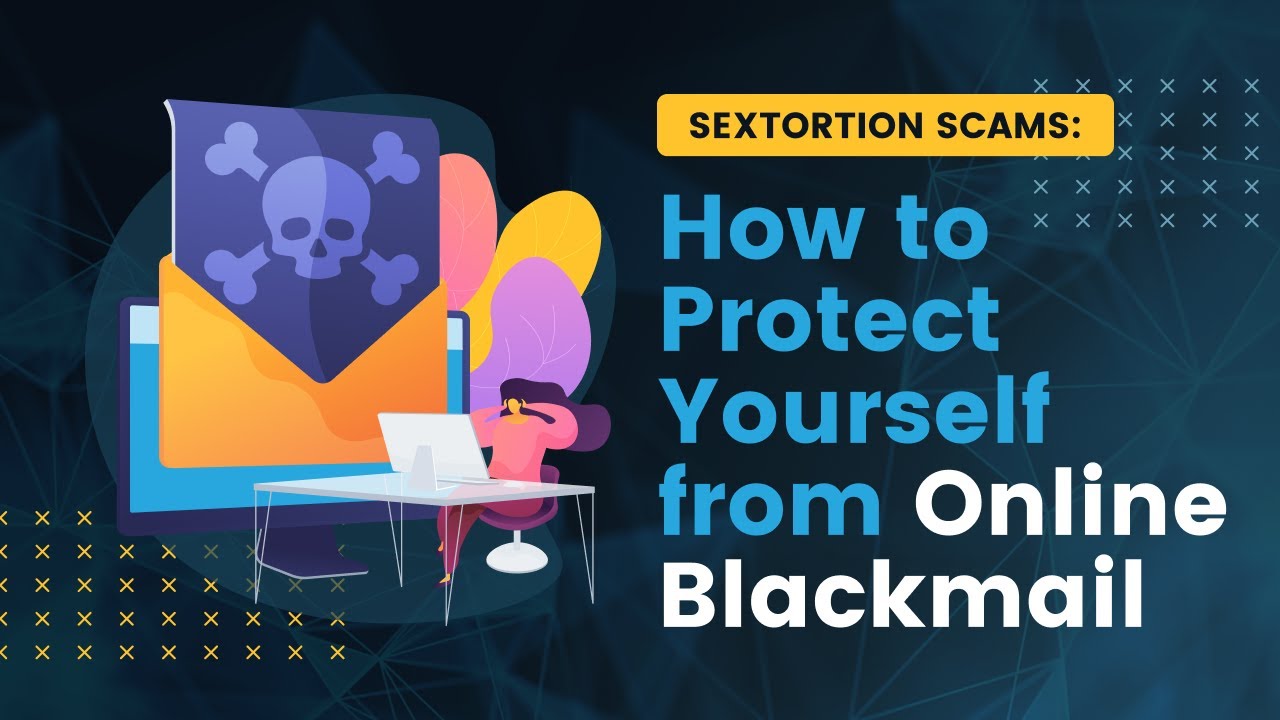
Sextortion and Online Blackmail: How to Protect Yourself
Sextortion cases continue to rise, with perpetrators using social and dating platforms to obtain intimate images or videos and then demand money.
The safest approach is never to create or share intimate content with anyone met online, regardless of how long the conversation has lasted.
Keep social media accounts private, enable two-factor authentication, and limit personal information visible to non-friends. Details such as your workplace, school, location and family information can give scammers more material to use when applying pressure.
If someone pressures you for explicit material, end the contact immediately. Do not allow threats or emotional manipulation to push you into sending more content.
Should you become a target, do not pay. Payment rarely ends the demand and often increases it.
Preserve evidence by taking screenshots of profiles, messages and payment requests without deleting the original conversation. Keep enough information to show what happened and where the account came from.
Block the account and report it on the platform and through the ngCERT reporting channels.
Inform a trusted person if the stress becomes overwhelming. Being targeted can be frightening and embarrassing, but dealing with it alone can make the pressure feel worse.
Schools and families can reduce risk by discussing these tactics openly with young people. Clear conversations about online manipulation can make it easier for someone to seek help before a situation escalates.
Once material is shared, control is largely lost; prevention remains far more effective than later recovery.
Consistent privacy habits and refusal to engage with pressure tactics close most of the common attack paths.
The most important thing is not to let shame or fear force you into paying or continuing the conversation. Preserve the evidence, cut contact, report the account and involve someone you trust when necessary.