
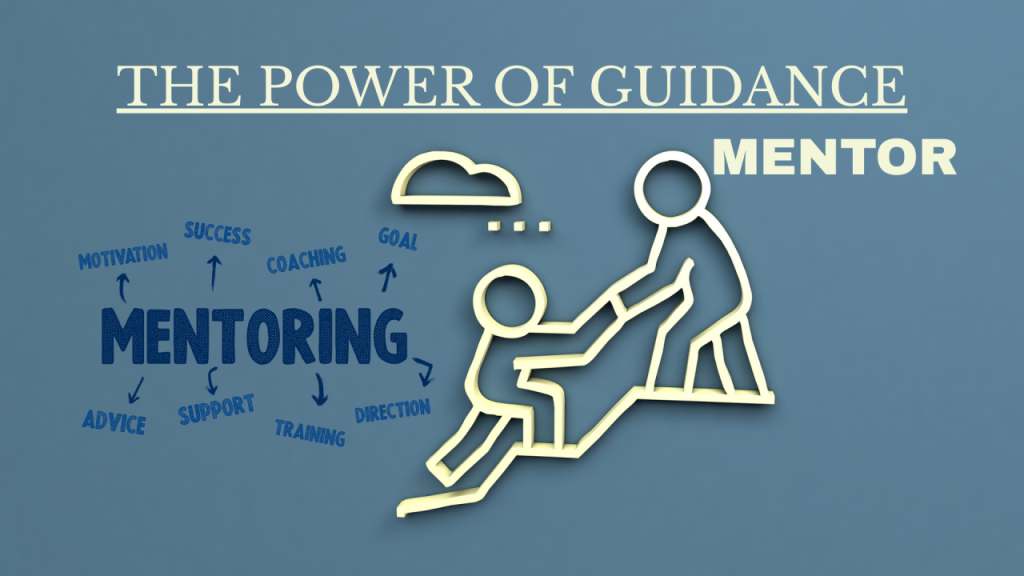
Getting good at what you do is important, but in today’s competitive world, knowing the right people and learning from the right experience can make a major difference.
That is where mentorship comes in.
A good mentor does more than offer occasional career advice. They can help you understand your strengths, identify areas that need work, avoid costly mistakes and make smarter decisions as you build your career.
In Nigeria, mentorship has traditionally grown through family relationships, community networks, workplaces and entrepreneurial circles. However, more structured mentorship opportunities are increasingly emerging across industries such as technology, media and business.
The Difference a Good Mentor Can Make
Career growth is rarely a straight path. There are moments when it can be difficult to know whether you are making the right decision, developing the right skills or even moving in the right direction.
A mentor can provide an outside perspective when those questions arise.
Rather than simply telling you what to do, the right mentor can challenge your thinking, offer honest feedback and share lessons from experiences you may not have encountered yet.
That combination of guidance and accountability can help turn potential into measurable progress.
Four Ways Mentorship Can Accelerate Your Career
1. Learn From Experience Instead of Guesswork
One of the biggest advantages of having a mentor is access to knowledge that has already been tested in the real world.
Someone who has successfully navigated a career path similar to yours can help you understand what works, what does not and where people commonly make mistakes.
That can save you valuable time and help you approach important career decisions with greater confidence.
2. Get Access to New Opportunities
Career opportunities do not always appear on job boards or public platforms.
Mentors often have professional networks built over years of experience. When they trust your abilities, they may introduce you to people, communities, projects or opportunities that you might not have discovered on your own.
Those connections can become particularly valuable in competitive industries where relationships and reputation matter.
3. Receive Honest Feedback
It is easy to overlook your own weaknesses, especially when you are working hard toward a goal.
A strong mentor can point out blind spots that friends or colleagues may hesitate to mention. Constructive criticism can help you improve your skills, sharpen your decisions and build greater self-awareness.
The goal is not simply to hear praise. Sometimes, the most useful advice is the feedback that challenges you to do better.
4. Stay Accountable to Your Goals
Motivation can disappear when progress becomes slow.
A mentor can help you stay focused by checking your progress, asking difficult questions and reminding you of the goals you set for yourself.
Knowing that someone is following your progress can make it easier to remain consistent, especially when distractions or setbacks begin to get in the way.
How to Find the Right Mentor
Finding a mentor does not necessarily mean approaching the most famous or successful person in your industry.
The better approach is to find someone whose experience, values and career path align with where you want to go.
Start by Defining What You Need
Before looking for a mentor, get clear about your own goals.
Ask yourself what skills you want to develop, which areas of your career are giving you difficulty and what kind of professional you ultimately want to become.
The clearer your goals are, the easier it becomes to identify someone who can genuinely help you.
Look Within Your Existing Network
Your first mentor may already be closer than you think.
Former colleagues, managers, lecturers, experienced friends, alumni and professionals within your existing network can all become potential mentors.
Pay attention to people whose work ethic, knowledge or career journey you genuinely respect.
Build Relationships Through Professional Communities
Industry events, professional organisations, conferences, networking groups and online communities can also create opportunities to meet potential mentors.
Instead of immediately asking someone to become your mentor, start by building a genuine professional relationship.
Ask thoughtful questions, participate in conversations and demonstrate your interest in learning. A mentorship relationship often develops naturally from that connection.
Make the Mentorship Relationship Work
Finding a mentor is only the beginning. The relationship becomes valuable when both sides understand how to make it productive.
Start by discussing your goals and expectations. If regular meetings are appropriate, agree on a realistic schedule, such as a monthly conversation.
Come prepared whenever you speak with your mentor. Share updates, explain challenges and ask specific questions rather than expecting them to solve every problem for you.
Most importantly, take their feedback seriously. Advice only becomes useful when you are willing to act on it.
Respecting your mentor’s time also matters. Be proactive without becoming demanding, and show appreciation for the guidance they provide.
Your Career Can Grow Faster With the Right Guidance
Mentorship is not a shortcut that guarantees success, but it can make the journey clearer and more purposeful.
The right mentor can provide experience when you lack it, perspective when you feel uncertain, connections when opportunities seem limited and accountability when motivation starts to fade.
For professionals and young people building careers in Nigeria’s growing technology, media, business and entrepreneurial sectors, developing meaningful mentor relationships could be one of the smartest investments they make in their professional future.