
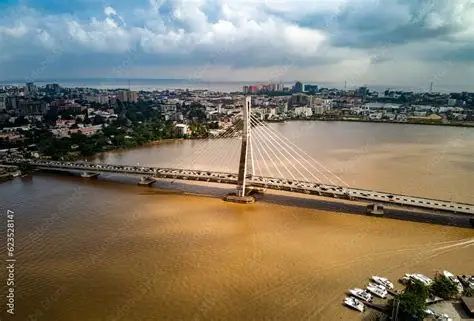
When people search for land or houses in Lagos, they often focus on familiar considerations such as road access, flood history, and proximity to the island. However, the older waterways that once connected communities long before the major bridges can also provide useful historical context when assessing certain lagoon-adjacent locations.
These former routes helped people move between communities, transport goods, and establish trading points. Their history may still offer clues about the landscape, drainage patterns, and commercial activity of some areas today.
Understanding this history can add another perspective to property research, although it should never replace professional surveys or independent flood-risk assessments.
How Old Canoe Routes Connected Lagos Communities
Before major bridges and modern road networks became central to movement around Lagos, waterways provided important connections between communities.
Canoes and other boats helped people travel between islands and mainland locations while supporting the movement of goods.
Some places developed around natural landing points or short passages between communities. These locations could become useful meeting points for trade and everyday activity.
Although transport infrastructure has changed considerably, the historical role of these locations can still provide context for understanding how some communities developed.
What Historic Water Routes Can Reveal About Land
The supplied account suggests that areas once used as natural landing points or canoe passages may sometimes sit on slightly higher ground or have different drainage characteristics from neighbouring locations that were filled later.
Where these differences exist, they may affect how water moves across the land after heavy rainfall.
However, the relationship is not automatic. A former canoe route does not prove that a property is elevated, well drained, or safe from flooding.
Modern development, land reclamation, drainage infrastructure, and changes in rainfall and water levels can all influence present-day conditions.
For anyone considering property around Lagos Lagoon, the history can be a starting point for further investigation rather than a guarantee of safety.
Why Flood History Matters to Property Buyers
Flooding can affect property maintenance, accessibility, rental demand, and the long-term cost of owning a building.
The supplied account describes buyers examining streets after heavy rain and speaking with long-term residents about which areas remain passable when water levels rise.
These observations can help identify questions that deserve further investigation.
For example, a buyer may want to establish how frequently a street floods, whether access roads become impassable, and how the property’s drainage system performs during heavy rainfall.
Historical observations are useful, but buyers should also consider current drainage conditions, the property’s elevation, professional assessments, and available flood records.
How Former Trading Locations May Influence Property Demand
Some islands and peninsulas were historically connected to regular boat traffic and commercial activity.
Locations that served as landing points could become important for trade because people and goods passed through them frequently.
Even after roads became more prominent, some areas retained elements of their commercial identity. Certain businesses may continue to value access to waterways for transporting particular goods.
The combination of established activity, location, and accessibility can help explain why demand differs between nearby areas.
Nevertheless, historical commercial importance does not guarantee that a location will remain valuable. Current infrastructure, business activity, residential demand, and property prices also matter.
What Lagos Property Buyers Should Investigate
For buyers considering land or houses near Lagos Lagoon, historic water routes can be one part of a broader assessment.
Other important considerations include:
- Flood history: Ask about previous flooding and inspect the area after heavy rainfall where practical.
- Land elevation and drainage: Establish the property’s actual elevation and examine how water is channelled away from the building.
- Access roads: Check whether roads remain usable during periods of heavy rain.
- Property documentation: Verify the title and relevant land records independently.
- Local experience: Speak with long-term residents about changes in water levels, flooding, and accessibility.
- Professional assessment: Use qualified surveyors and appropriate specialists where necessary.
Combining these checks provides a more reliable basis for making a property decision than relying on historical stories alone.
Why Historical Knowledge Still Matters
The history of Lagos is closely connected to its waterways, trading communities, and patterns of movement.
Understanding how people travelled and where commercial activity developed can help explain some of the differences between neighbouring locations.
However, the present-day performance of a property depends on more than its historical geography. Changes in land use, drainage, infrastructure, and weather conditions can alter the characteristics of an area over time.
Historical knowledge is most useful when it helps buyers ask better questions and investigate a location more carefully.
The old waterways around Lagos Lagoon offer a useful historical perspective on the development of communities, trading locations, and movement across the city.
Former canoe routes and landing points may provide clues about local geography and commercial history, but they cannot establish that a property is protected from flooding or guaranteed to appreciate in value.
For anyone buying property near the lagoon, the sensible approach is to combine local knowledge with title verification, professional surveys, drainage checks, and a careful review of flood history.
The past can help explain a location, but present-day evidence should guide the final investment decision.