
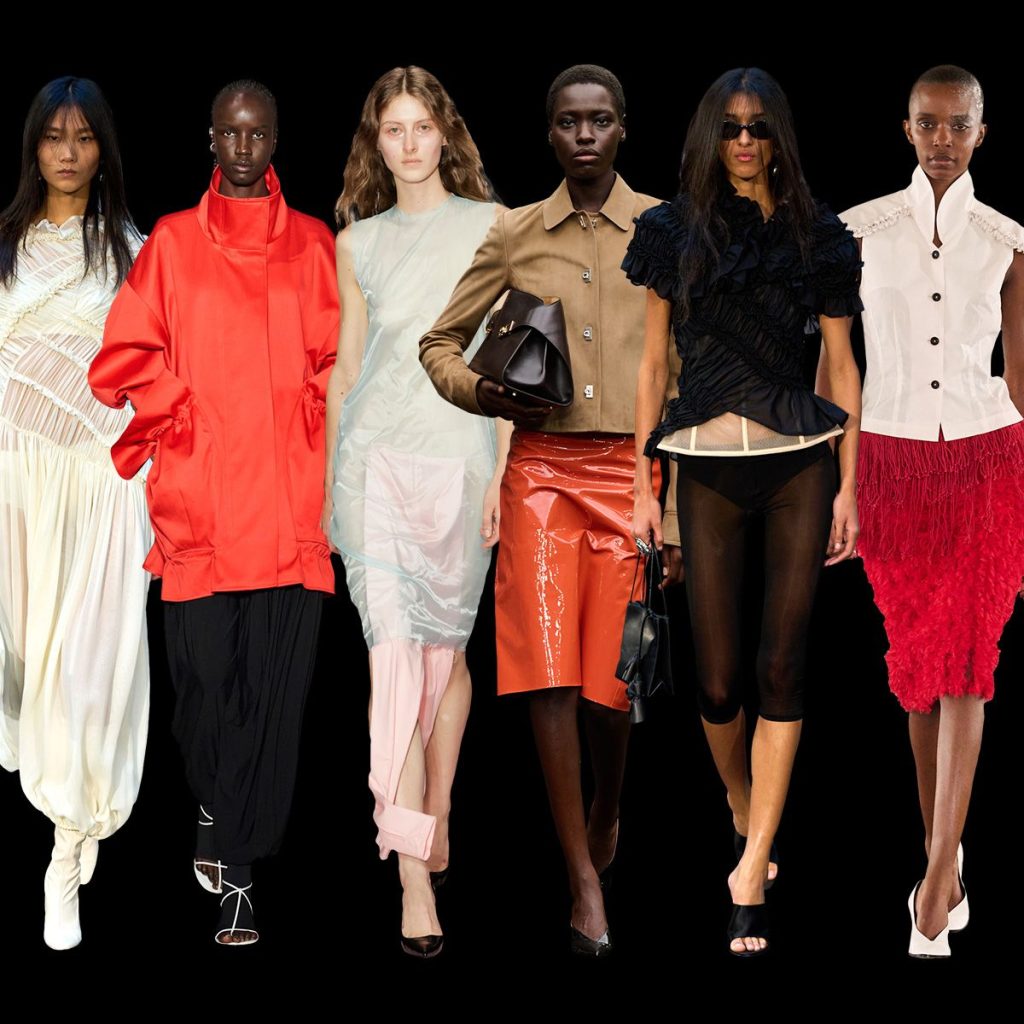
Fashion in late 2026 is moving in an interesting direction. Instead of constantly chasing every new microtrend, more consumers are becoming intentional about what they wear, how they shop and the message their clothes communicate. Wardrobe curation, vintage-inspired fashion and era-mixing are becoming important parts of this shift, particularly among Gen Z and young millennials.
Depop’s latest Trends Report, titled The Edited Self, reflects a cultural movement away from fast-changing microtrends and towards clothing that feels personal, practical and expressive. Rather than filling their wardrobes with items that quickly lose relevance, consumers are increasingly choosing repeatable staples that can be styled in different ways.
This approach does not mean abandoning creativity. Instead, it encourages people to build a wardrobe around pieces they genuinely enjoy wearing.
What Is Intentional Wardrobe Curation?
Intentional wardrobe curation involves selecting clothes based on their usefulness, quality, versatility and personal meaning. Rather than purchasing every item that becomes popular online, shoppers consider whether a piece fits their lifestyle and works with what they already own.
The idea is simple: fewer unnecessary purchases, more thoughtful combinations and a stronger sense of personal style.
This approach can also reduce the daily stress of deciding what to wear. When most items in a wardrobe work together, getting dressed becomes quicker and more satisfying.
For people balancing work, social activities and everyday responsibilities, a carefully curated wardrobe can be both a practical choice and a form of self-expression.
Era-Mixing Fashion: Combining the 1970s, 1990s and Early 2000s
One of the most interesting developments in 2026 fashion is the return of era-mixing. Instead of recreating an entire decade, people are combining individual elements from different periods to create distinctive outfits.
For example, a pair of 1990s wide-legged trousers can be styled with a 1970s-inspired blouse. A Y2K top can sit beneath a modern structured jacket, creating a balance between nostalgia and contemporary design.
Other styles attracting attention include bandage dresses, JNCO jorts, medieval-inspired silhouettes, uniforms and archival fashion pieces.
These combinations demonstrate that personal style does not have to follow a single historical reference. A modern wardrobe can draw inspiration from several decades without looking like a costume.
The objective is lived-in authenticity: clothing that reflects the wearer’s personality rather than simply reproducing whatever is trending online.
Why Elevated Sportswear and Formal Dressing Are Returning
Elevated sportswear and purposeful dressing are also gaining attention as consumers reconsider the overly casual appearance that has become common in some workplaces and everyday settings.
Ties, structured jackets and more formal clothing are returning among some younger wearers who want a different approach from the casual office style associated with older managers.
Some UK retailers have reported increases of up to 200 percent in sales of certain formal pieces in particular locations, according to the information supplied for this article. This figure should not be interpreted as a universal increase across all retailers.
The wider point is that dressing formally is being reconsidered as a deliberate style choice rather than an outdated requirement.
How to Build a Curated Wardrobe Without Overspending
Creating a more intentional wardrobe does not require replacing everything you own.
Start by reviewing your existing clothes. Keep the pieces that fit comfortably, suit your lifestyle and can be worn across different seasons or occasions.
Next, identify versatile basics that can be layered or restyled. Quality trousers, useful tops, structured outerwear and comfortable everyday pieces can provide the foundation for many outfits.
Resale platforms can also make archival fashion and vintage-inspired items more accessible without requiring shoppers to pay full retail prices.
The goal is not to spend more money on fashion. It is to make better decisions about the money already being spent.
Frugality is increasingly becoming a quiet status symbol for consumers who value thoughtful purchases over constant novelty.
Fragrance, Mobility and the Wider Lifestyle Connection
The movement towards intentional living extends beyond clothing. Clean perfumes and personal scent rituals are becoming part of a more deliberate approach to self-care, turning fragrance into a considered daily practice rather than a quick final step before leaving home.
Mobility exercises and lymphatic-focused workouts are also appearing in wellness conversations as people look for ways to move comfortably while remaining active in their everyday clothes.
These developments connect fashion with a broader desire for comfort, functionality and personal well-being.
The appeal of intentional wardrobe curation goes beyond appearance. A carefully selected wardrobe can reduce decision fatigue, encourage more responsible shopping and help people express their identities without chasing every new release.
Experiences remain important, but the clothes people wear to those experiences increasingly need to feel personal, practical and sustainable.
Era-mixing makes this possible by allowing individuals to combine familiar influences with contemporary pieces. It rewards creativity, consistency and thoughtful spending.
Ultimately, the fashion direction emerging in late 2026 is not about owning the largest wardrobe. It is about building one that works for real life.