
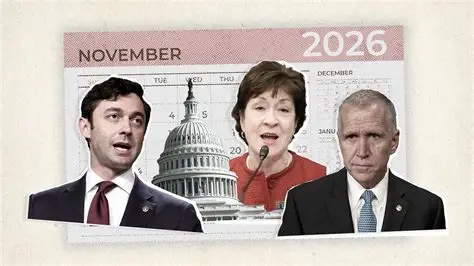
As of October 9, 2026, the US midterm campaign is heating up, with attention focused on closely contested Senate races, shifting political momentum and the issues influencing voters.
Maine, Michigan and Georgia are among the states attracting attention as candidates make their cases to voters. At the same time, concerns about the cost of living, foreign conflicts and distrust in government are shaping the political conversation.
The campaign is entering an important period as Democrats look to challenge Republicans in closely held districts and Republicans work to defend their positions in Congress.
Maine Senate Race Draws Attention
One of the closely watched races is in Maine, where Democratic governor Troy Jackson is described in the supplied information as a toss-up candidate holding a narrow polling advantage over Senator Susan Collins.
The race has attracted attention because of the wider political implications of the Senate contest. Voters are weighing the candidates’ positions while political observers watch for signs of changing momentum.
The supplied information also describes a complicated political environment in which voters want President Trump to win re-election but recognise the importance of Senator Collins’ support in the state. These political dynamics highlight the competing considerations shaping the campaign.
Michigan and Georgia Host Key Senate Debates
Michigan and Georgia held Senate debates during the week, offering voters an opportunity to compare candidates at a crucial point in the campaign.
Debates can provide a platform for candidates to explain their positions, respond to criticism and distinguish themselves from their opponents. As the election approaches, these exchanges may become increasingly important in shaping public perceptions.
The races in both states form part of a wider contest for control of the Senate, with political parties working to strengthen their positions and appeal to undecided voters.
Trump’s Social Media Posts and Election Fraud Claims
President Trump has continued posting about election fraud on his social media platform on most days since returning to office, according to hundreds of posts reviewed by The Washington Post, as described in the supplied information.
The posts form part of a wider political debate about elections, public trust and the role of social media in political communication.
The issue is particularly significant during an election campaign, when political messages can quickly reach large audiences and influence public discussion. Claims about election integrity remain a contentious subject in American politics.
Hurricane Isaias and Immigration Issues Add to Political Pressure
Hurricane Isaias is testing FEMA’s disaster response capabilities following months of organisational changes, according to the supplied information.
Disaster preparedness and emergency response can become major political issues when communities depend on government agencies for support. The situation places additional attention on the administration’s ability to respond to emergencies.
Meanwhile, an ICE officer’s shooting of a young boy in New York last week sparked local outcry. Several immigration-related court cases are also being filed, alongside the reported suspension of the green card programme.
These developments add to the broader political conversation surrounding government accountability, immigration policy and public confidence in institutions.
Cost of Living and Foreign Conflicts Shape Voter Concerns
Voters are focused on several major issues, including the rising cost of living, foreign conflicts and distrust in government.
Economic pressures can influence how voters evaluate political leadership, while international developments may shape opinions about foreign policy and national priorities.
Democrats are eyeing closely held Republican districts, while Republicans are defending their own. Dozens of House races are described as too close to call, reflecting the competitive nature of the campaign.
What Happens Next in the 2026 Midterm Campaign?
The battle lines are being drawn across the House and Senate as candidates work to build support before Election Day.
With the exception of a few special elections, the campaign is expected to intensify as the final stretch approaches. Candidates will continue focusing on voter concerns, defending their records and presenting their plans for the future.
The US midterm campaign in October 2026 is being shaped by closely contested Senate races, political debates, government accountability and economic concerns. Maine, Michigan and Georgia are attracting attention, while issues involving disaster response, immigration and public trust are adding to the national conversation. As Election Day approaches, these developments will remain central to the political landscape.