
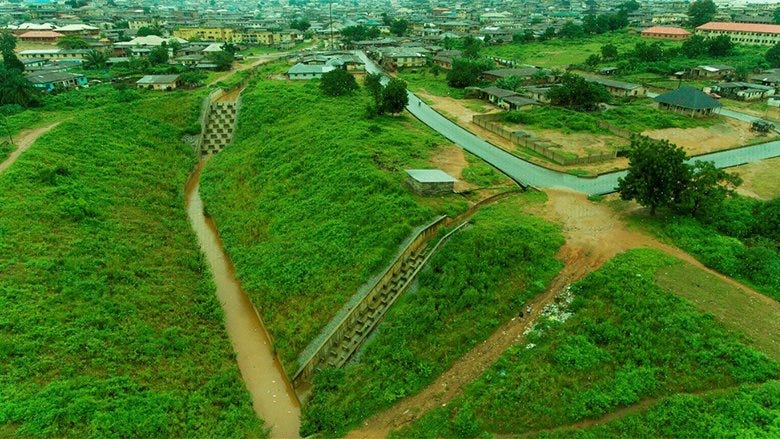
Away from the headlines about large estate developments, a quieter property trend is emerging in several Nigerian states. Young adults in their late twenties and thirties are considering small plots of land in towns located one or two hours from major cities.
These are not necessarily expensive peri-urban estates marketed to speculative investors. They are ordinary surveyed plots in locations where prices may still be within reach of local buyers.
For people who have watched property prices in major cities move beyond their budgets, smaller plots outside established urban centres can represent a more realistic starting point for property ownership.
The trend described here is not presented as a nationwide movement, but it highlights the practical considerations that influence how some young Nigerians approach property investment.
Why Young Nigerians Are Looking Beyond Major Cities
Land in major urban centres can be difficult to afford, particularly for salary earners and small business owners who are saving from regular income.
As a result, some prospective buyers are looking beyond the most expensive neighbourhoods.
Towns within reasonable travelling distance of Lagos, Abuja and Port Harcourt may offer different price points and opportunities to purchase smaller plots.
The attraction is not necessarily immediate development. Some buyers intend to hold the land for five to ten years before building, while others see it as a possible location for a simple structure in the future.
This approach allows buyers to consider property ownership without committing to the cost of purchasing and developing a house immediately.
How Young Buyers Are Funding Their Land Purchases
The supplied material describes buyers who have saved consistently for two or three years before purchasing land.
Some pay in full, while others use instalments where the seller’s terms allow it.
For people earning a salary or operating a small business, the decision often involves balancing the desire to own an asset with existing expenses and financial responsibilities.
Buying land can appear attractive because it converts accumulated savings into a physical asset. However, it also ties up money that might otherwise be needed for emergencies or other priorities.
Prospective buyers should therefore consider not only the purchase price but also the costs of documentation, surveying, legal checks, registration and maintaining the property.
Why Infrastructure Matters When Choosing Land
Infrastructure is one of the factors influencing interest in towns outside major cities.
The supplied draft notes that roads, electricity and mobile coverage have already reached many of these locations, while other improvements are expected over time.
Better access can make a location more practical for future residential use. However, buyers should distinguish between infrastructure that already exists and development that is merely anticipated.
A road planned for the future is not the same as a completed road. Similarly, expectations of rising demand do not guarantee that land prices will increase.
Buyers need to assess each location individually rather than assuming that every town outside a major city will experience the same growth.
Essential Land-Buying Checks for First-Time Buyers in Nigeria
A low purchase price does not automatically make a plot a good investment.
Before paying for land, buyers should take the following precautions:
- Verify the title: Ask a qualified property lawyer to investigate the seller’s ownership and the relevant land records.
- Confirm the survey: Have the survey information checked by an appropriately qualified surveyor.
- Inspect the location: Visit the property and confirm the access road, boundaries and surrounding land use.
- Check for disputes: Investigate possible competing claims, family ownership disputes, government acquisition or other restrictions.
- Review payment terms: Understand the full price, instalment schedule, documentation costs and conditions attached to the transaction.
- Obtain proper documentation: Ensure that agreements and receipts accurately describe the transaction and the parties involved.
Land transactions in Nigeria can involve complex customary and statutory rights. Buyers should obtain advice suited to the particular state and property rather than relying on verbal assurances from an agent.
Why Some Buyers Prefer to Hold Land Before Building
Not everyone purchasing land intends to begin construction immediately.
For some buyers, acquiring the plot is the first stage of a longer financial plan. They may want to secure the land now and build when their savings, income or family circumstances make construction more manageable.
Others simply prefer to hold the property while continuing to work and save.
However, holding land comes with responsibilities. Owners need to keep their documents safe, understand any applicable charges or obligations and monitor developments that could affect the property.
They should also remember that land is not a substitute for emergency savings. It can take time to sell, and the eventual selling price is not guaranteed.
What This Trend Could Mean for Property Ownership in Nigeria
The growing interest described in the supplied material suggests that some younger buyers are looking for alternatives to the high cost of property in major cities.
Smaller plots in less expensive locations can provide an entry point for people who cannot yet afford urban property. They may also give buyers more time to plan construction instead of taking on the financial burden of purchasing a completed home.
Nevertheless, affordability must be considered alongside title security, location, access and realistic long-term plans.
The most important lesson is that buying land should be treated as a serious financial decision, not simply an opportunity to purchase something before prices rise.
For young Nigerians hoping to enter the property market, careful research and proper documentation are more valuable than rushing into a deal.