For years, having a university degree, professional qualification or technical certificate was seen as one of the strongest ways to stand out when looking for a job.
That is still important, but the workplace is changing. Employers are increasingly looking beyond what a candidate studied and paying closer attention to how that person communicates, handles problems, works with others and responds when things do not go according to plan.
In other words, what you know matters, but how you use it can matter just as much.
Employers Want More Than Qualifications
A candidate may have the right degree and technical knowledge, but that alone does not always guarantee success in the workplace.
Companies need employees who can communicate with colleagues and customers, meet deadlines, handle pressure, learn new things and contribute to a team. These abilities are commonly described as soft skills.
Communication, teamwork, emotional intelligence, leadership, time management, critical thinking, adaptability and conflict resolution are some of the skills that can influence how effectively a person performs at work.
For employers, these qualities can also make the difference between someone who simply completes assigned tasks and someone who can grow into greater responsibilities.
AI and Remote Work Are Changing the Workplace
The rapid growth of artificial intelligence and automation is also changing what companies expect from workers.
As software and AI tools become capable of handling more routine and technical tasks, human abilities such as judgement, creativity, communication and collaboration remain difficult to replace completely.
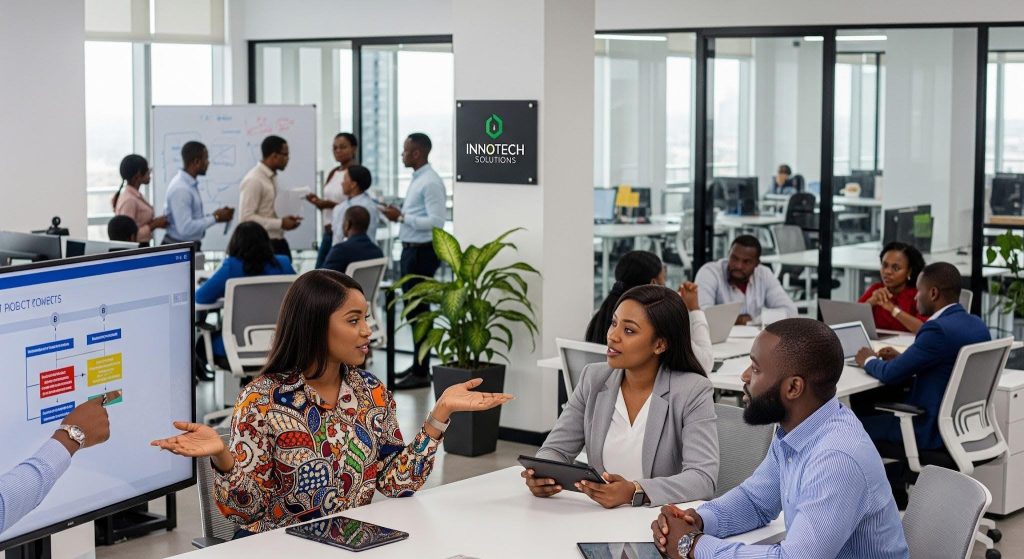
Remote and hybrid work have added another layer to the situation. Employees may spend much of their working day communicating through emails, messaging platforms and video calls rather than sitting in the same office.
That makes clear communication even more important.
A worker who can explain an idea properly, understand instructions, ask the right questions and resolve misunderstandings can become a valuable member of a team, regardless of where they are working from.
Why Soft Skills Matter to Young Job Seekers
For young Nigerians entering the job market, this can be particularly important.
Many graduates leave school with similar qualifications. Two applicants may have the same degree, similar grades and even comparable technical knowledge, but their performance during an interview can be completely different.
One candidate may struggle to explain their experience or answer questions confidently, while another may communicate clearly, demonstrate good judgement and show how they have handled real-life challenges.
That difference can influence how an employer views both candidates.
This is why students, graduates, NYSC members and people looking for their first major job should not focus only on collecting certificates. Practical experience and the ability to work effectively with people can also strengthen a CV.
Soft Skills Can Be Built With Experience
The good thing is that soft skills are not something a person either has or does not have.
They can improve with practice.
Volunteering, internships, group projects, part-time work, professional training and mentorship can all provide opportunities to develop these abilities.
Even everyday situations can help. Taking responsibility for a project can improve leadership and organisation. Working with different personalities can strengthen teamwork and conflict-resolution skills. Speaking to customers can improve communication and confidence.
For someone starting out, these experiences can become useful examples to discuss during job interviews.
Technical Skills and Soft Skills Work Best Together
The growing importance of soft skills does not mean technical knowledge is becoming irrelevant.
A software developer still needs to understand programming. An accountant still needs financial knowledge. A digital marketer needs to understand marketing tools and strategies, while an engineer needs the technical knowledge required for the job.
The advantage comes when technical expertise is combined with strong interpersonal abilities.
Someone who can do the work and explain what they are doing, collaborate with colleagues, manage deadlines and adapt when circumstances change is likely to be better prepared for a modern workplace.
The Job Market Is Rewarding People Who Can Adapt
The workplace is unlikely to remain the same for long. New technologies will continue to change how companies operate, and workers will constantly need to learn and adjust.
For job seekers, the message is simple: getting qualified is only part of the journey.
Building communication, problem-solving, teamwork and adaptability alongside technical expertise can make a professional more versatile and better prepared for opportunities as the job market continues to evolve.