
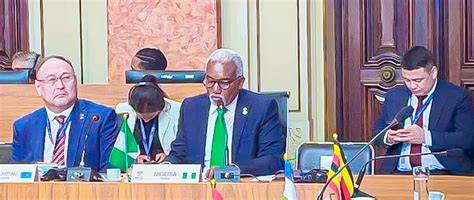
BRICS and International Meetings: How to Track Nigeria’s Key Outcomes
When Nigerian officials attend major international gatherings such as the BRICS Summit, useful details often appear first in diplomatic circulars, verified embassy posts and specialised economic discussion groups.
Follow the official handles of the State House, Ministry of Foreign Affairs and the Nigerian mission in the host country.
Look for communiqués that list specific agreements, memoranda or follow-up mechanisms rather than general statements. Broad diplomatic language can attract attention, but the practical value is usually found in what governments actually agree to do afterward.
Business associations and chambers sometimes circulate summaries of side meetings relevant to trade or investment.
Note any announcements about financing facilities, technology cooperation or market access that could affect Nigerian companies.
Cross-reference claims against the final published summit documents when they become available. This helps separate confirmed outcomes from early reports, political interpretations or claims circulating on social media.
Avoid treating unofficial forwards as authoritative.
A practical method is to keep a short list of priority topics—agriculture, infrastructure finance, digital economy—and check only those sections of official releases.
You can also note which announcements require follow-up meetings or implementation before treating them as concrete outcomes. An agreement announced at a summit may still require further steps before businesses or citizens feel its effect.
Over time, this selective tracking provides a clearer picture of concrete opportunities than broad headlines alone.
For Nigerians following major international meetings, the most useful question is therefore not simply what was announced, but what was agreed, who is responsible for the next step and what eventually changes after the meeting.